See the work behind your numbers
Open the black box of investment operations with Clearwater Compass. Live webinar, July 6.
On-demand webinars
Thu
09
Jul 2026
The most expensive thing in finance isn’t a bad trade. It’s the phone call at 7am when someone asks a question about yesterday’s positions and nobody in the room has the same number.
We spoke with over 115 hedge fund executives at Clearwater Connect New York. COOs, CFOs, CIOs, and heads of technology gathered at the Lotte New York Palace Hotel for a standing room keynote, practitioner panels featuring executives from Schonfeld, Millennium, Daloopa, Paloma Partners, and Mariner Investment Group. Everyone got a first look at what Clearwater is building next for the hedge fund segment, and peer workshop tables designed to surface what the industry is still working through.
The through-line across every conversation was consistent. The gap between funds that treat operations and technology as the source of competitive advantage and those that don’t is widening. The funds that made decisions now about infrastructure, AI, and the operational model have a real chance to define that advantage.
Clearwater CEO Sandeep Sahai opened the day by naming the pressures bearing down on hedge funds, allocator scrutiny, AI adoption, and the demand for real-time transparency. Allocators are asking harder questions. Investors want transparency on demand, not at quarter end. AI is moving faster than most operating models were built to absorb. The funds pulling ahead are making better investments and running better operations, and the two are starting to look inseparable.
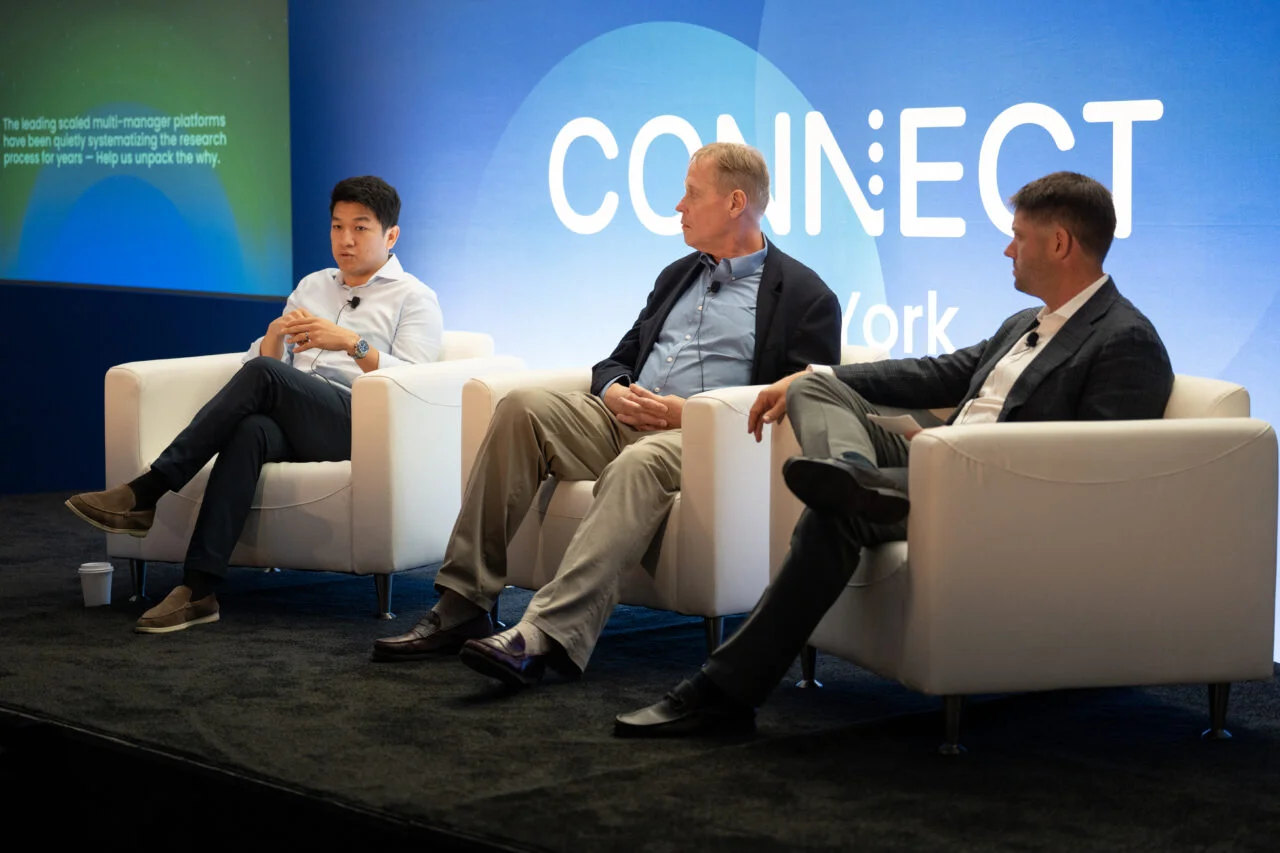
The numbers from the front-office session made that concrete. Randall Brett of Schonfeld and Thomas Li of Daloopa walked through where AI adoption in research actually stands today. The number that landed hardest was this. An AI model working with a clean, structured data foundation answers financial questions correctly 92% of the time. The firms that have invested in their data infrastructure are building a research and portfolio construction advantage that compounds over time. The session closed on the question of whether structured conviction scores from the research process can flow as live signals into the portfolio optimizer. The firms closing that gap first will have a meaningful edge in how they construct portfolios.

Most hedge fund workflows still treat research, risk, and positions as separate problems handled by separate tools. The Clearwater product team introduced three new capabilities: Factor Risk Lens, Data Insights, and Research Management, built around connecting those three things as the place where real efficiency gains live. The session closed on the Enfusion MCP Connector, which lets AI agents work across research, risk and positions at once, so the firm’s own proprietary data becomes the advantage.
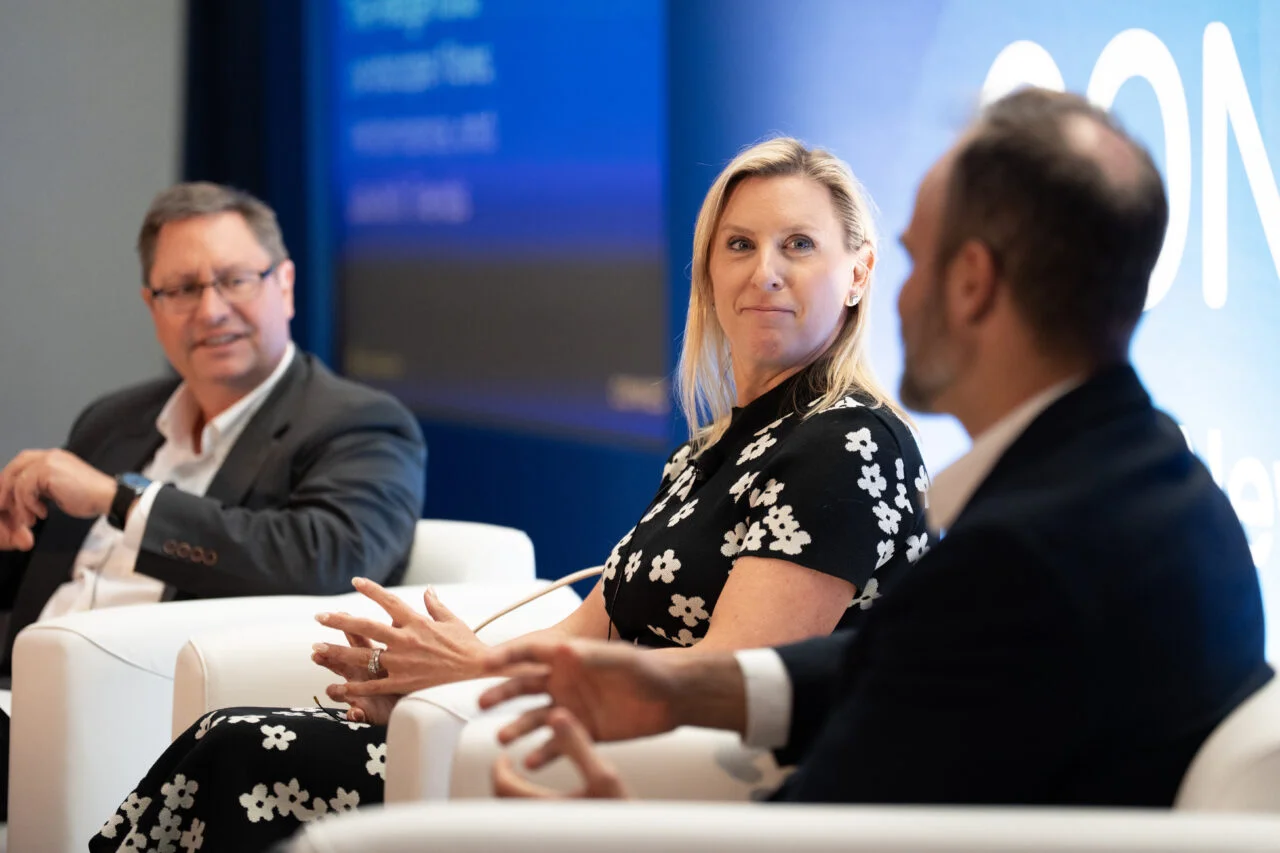
Structural shifts don’t announce themselves. Peter Bremberg of The Quarry and Kristina Tully of Millennium Management made this plain in their session on capital flows and allocator behavior. Capital is moving toward managers who can prove they run a tight operation, not just a good portfolio. Technology has become how allocators judge whether a fund can handle real growth, and they’re paying attention.
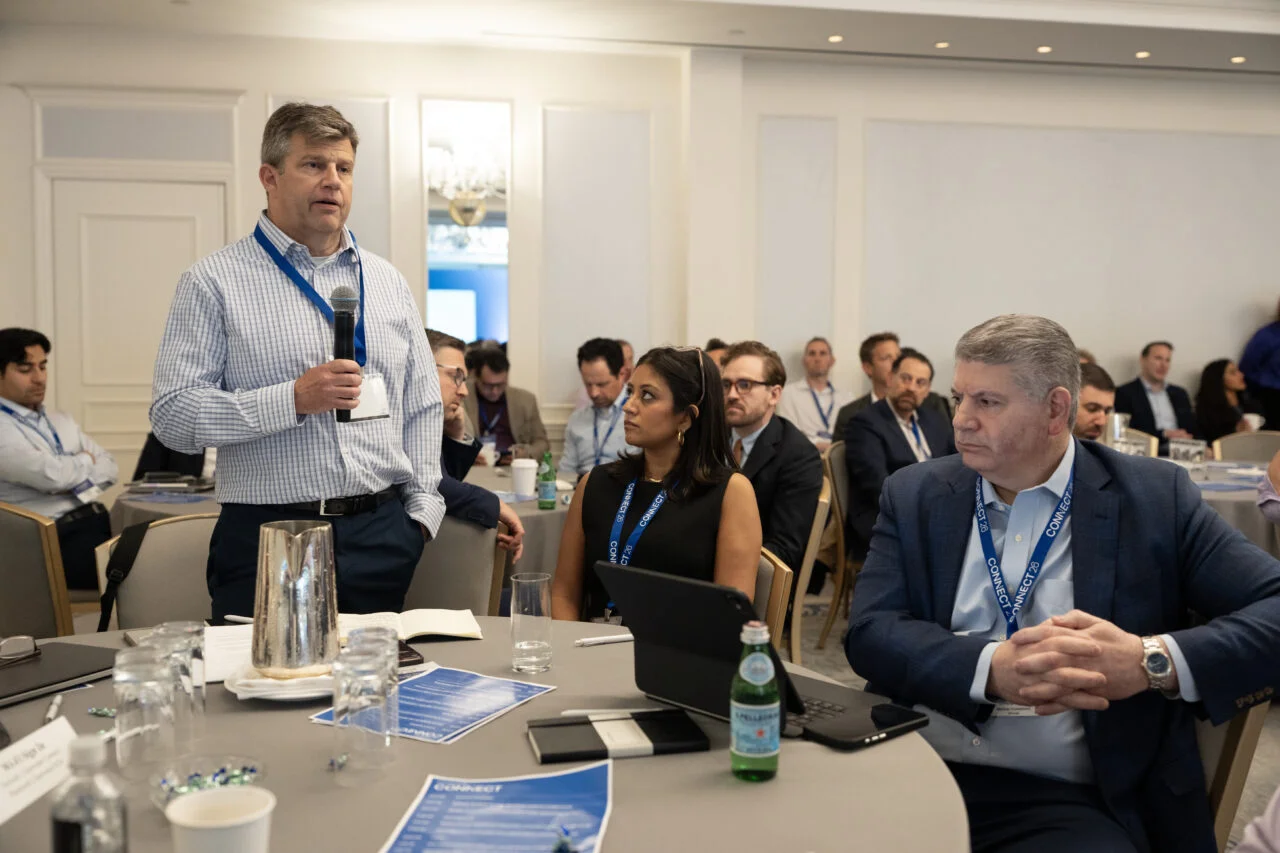
Attendees broke into small groups to work through what the next-generation hedge fund needs to look like across technology, operating models, and allocator relationships. Four themes surfaced consistently across the tables.
Data governance is the gating factor. Internal policies around data sharing, permissioning, and compliance determine the pace of AI adoption. The tools are ready. Firms are waiting on internal policy.
Operations is the biggest near-term opportunity. The real productivity gains are in workflow automation, exception handling, report generation, and cross-time zone handoffs. Firms focused exclusively on the investment use case are leaving significant operational value on the table.
Vendor advantages have a shorter shelf life than it used to. Firms building directly on Claude, ChatGPT, or Gemini are finding they don’t need the intermediary layer. Embedded business knowledge and proprietary data integration are the only durable differentiators.
The firms scaling responsibly have made governance foundational from the start. Junior staff treating AI outputs as fact, and AI deployed into workflows without adequate oversight, are risks that compound quickly. Governance isn’t a later-stage problem.
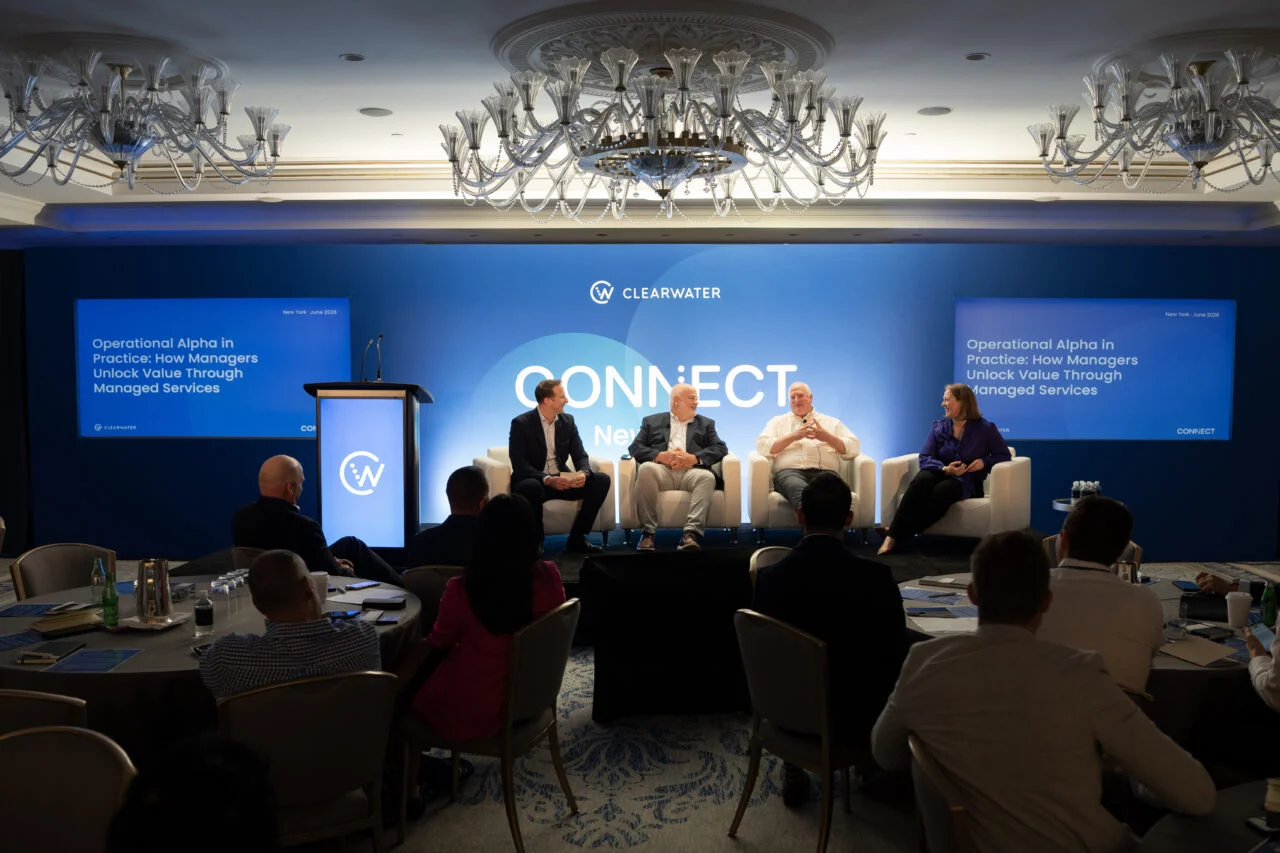
Christopher Sullivan of CastleKnight and Michael Herring of Covara Capital shared how managed services is evaluated and adopted. They covered the ROI case, what a real partnership model looks like in practice, and where the line between internal and external teams is moving as AI reshapes service delivery.
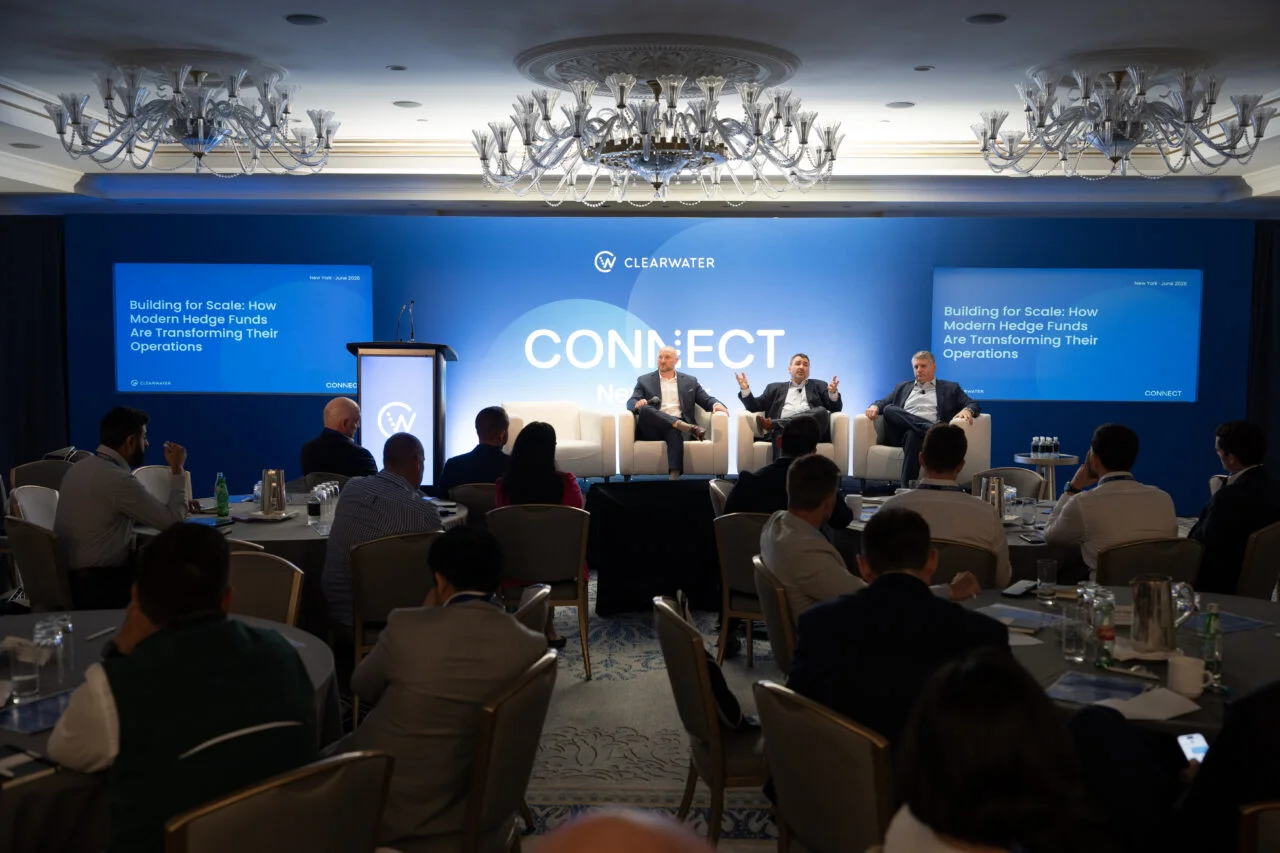
Mike DeAddio of Paloma Partners and Joe Lacovara of Mariner Investment Group closed the day with the most direct conversation on the agenda. Transforming operations while the fund is still running is hard, and most firms underestimate what it takes. The math on build-versus-buy has changed meaningfully over the past two years. The firms that recognize that and move now are the ones that will be in a position of strength.
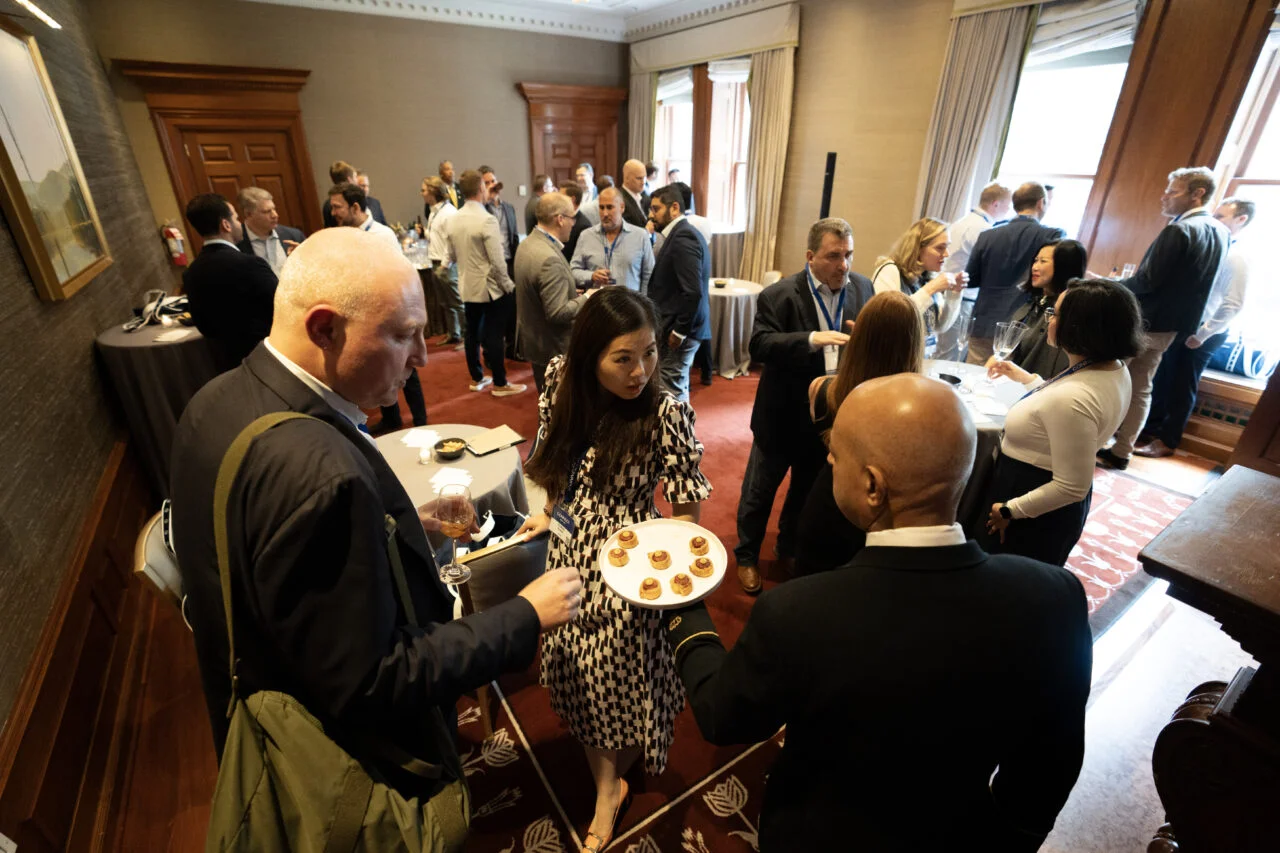
What came through in every session is that the operational decisions hedge funds make today are strategic. Audit your data infrastructure. Close the gap between your research, risk, and positions. And, if you’re still running on fragmented systems, start that conversation now, because the funds already doing this aren’t waiting.
Clearwater Connect continues across the globe in 2026. If the conversations in New York are the ones your team needs to be a part of, register now and be in the room.